
Link building is one of the most misunderstood parts of search engine optimization. Many businesses cannot tell which companies build real authority and which ones sell bulk links that do harm. That confusion costs money, time, and rankings. This guide explains what link-building teams do, how to vet them, and which providers stand out in the field.
What Search Engine Optimization Companies Actually Do for Link Building
Most agencies treat link building as one part of a broader package. Core services include:
- Backlink audits and competitor link gap studies
- Outreach to relevant sites
- Guest content placement and digital PR
- Cleanup of harmful links
Strong organic SEO services also report on each step so you know what your money buys.
These tasks sit inside a larger plan. Technical fixes and strong pages give links something to support. Links then push those pages higher in the results. The pieces work as one system, not as separate jobs, and the best teams plan them together from the first week. Link work that runs on its own island often fails. When the content team, the technical team, and the outreach team share goals, each placement helps the whole site and not just one page. That shared view also makes reports easier to read.
Why Organic SEO Services Depend on Strong Link-Building Foundations
Good rankings need more than clean code and sharp copy. Backlinks act as votes of trust. When respected sites point to your pages, Google reads that as proof your content deserves attention. Sites in tough markets rarely climb without that proof. Search engines still treat links as one of their strongest signals, so a thin profile holds back even great pages.
Authority builds slowly. A new page can rank for a short time on content alone, but pages with strong link support hold their spots. Brands that earn links month after month pull ahead of rivals that skip the work, and the gap widens each quarter. Think of each quality link as a long-term asset. It keeps sending ranking signals and referral visitors long after the outreach email goes out. Paid ads stop the moment the budget ends, but earned links keep working.
How an Organic SEO Agency Approaches Link Acquisition
A solid organic SEO agency starts with research. The team studies your niche, finds sites your buyers trust, and builds a target list. Outreach follows through personal emails, guest content, and steady relationship work with editors. Each message gives the site a clear reason to care.
Quality beats quantity every time. Ten placements on relevant sites will outperform a hundred random ones. Good teams say no to weak offers, even when a low-quality site would pad the monthly report. Honest agencies would rather deliver five strong links than twenty weak ones. The team also tracks replies and follow-ups, so you can see how many editors showed real interest. That data helps the agency refine its pitch and drop angles that fall flat. Over time, response rates climb, and each placement costs less effort.
Comparison Table 1: Link Building Services Across Different SEO Providers
Provider type shapes the work you get. This table shows how the common models compare on the points that matter most. Use it to set your expectations before you request quotes. Costs and timelines shift with your niche, so treat each range as a guide.
| Provider Type | Outreach Method | Link Quality Standards | Reporting Transparency | Typical Turnaround |
| Full-service SEO agency | Personal email outreach tied to a content plan | Relevance and authority checks | Monthly reports with live link URLs | 2 to 4 months for first results |
| Specialist link-building firm | Manual prospecting and custom pitches | Strict editorial criteria | Detailed log of each placement | 6 to 12 weeks per campaign |
| Digital PR agency | Data stories pitched to journalists | Top-tier news and media sites | Coverage reports by campaign | 8 to 16 weeks per campaign |
| Low-cost link vendor | Bulk templates and directory lists | Little or no screening | Limited or none | Days, with high risk |
Notice the trade-off. Low-cost vendors move fast, but speed without screening puts your site at risk.
What Sets an Organic SEO Company Apart in Link Building Work
A strong organic SEO company sets editorial standards before it sends a single email. Every placement must sit on a real site with real readers, a clear topic fit, and content that earns its spot. The team also writes down these rules so every client gets the same quality.
It also avoids spammy sources. Private blog networks, link farms, and paid link schemes can trigger penalties that take months to fix. The best teams walk away from them, even when a client pushes for fast numbers. Short-term gains rarely survive the next algorithm update. A trustworthy company also checks past work. If your site already carries bad links, it audits them before it adds new ones. This cleanup step protects your investment and shows the company puts your long-term health first.
How an Organic SEO Specialist Vets Link Opportunities
An organic SEO specialist screens every prospect before outreach. The check covers domain authority, topic relevance, traffic trends, and the quality of the site’s content. A site that looks strong on one metric can still fail the rest. A site with high authority but zero traffic, for example, signals a link seller, not a real publisher. Specialists also read recent posts and check who else links to the site. A clean neighborhood of links says a lot about a site’s standards. Watch for these red flags:
- Traffic that drops sharply or never existed
- Pages stuffed with outbound links
- Topics that have nothing to do with your industry
- “Write for us” pages that charge a fee
Why Content Quality Determines Link Building Success
Editors link to pages that help their readers. Clear, original, and well-sourced content earns links with less effort. Outreach also lands better when the page deserves the click. Good SEO content writing creates a strong asset that turns a cold email into a warm conversation.
Weak content kills even great outreach. A sharp pitch that points to a thin page wastes the relationship and may close the door for good. Quality control at this stage saves hours of repair work later. Editors remember bad pitches, and they rarely give a second chance to the same sender. Strong content also supports every other channel. The same guide that earns links can drive leads, feed social posts, and answer sales questions. That extra value makes the budget easier to defend.
How SEO Content Writing Supports Natural Link Acquisition
Some formats attract links more than others. Original research, industry surveys, deep guides, free tools, and clear data charts all give other writers a reason to cite you. Strong search engine optimization programs plan these assets on purpose and tie each one to a list of likely linkers.
Data-driven pieces work especially well. One solid study can earn links for years, while a typical blog post fades in weeks. Reporters, bloggers, and educators all look for fresh numbers they can quote and trust. Clear charts and short summaries make these studies easy to cite. Writers also link to pages that explain a hard topic in plain language, so simple structure and honest sourcing pay off.
Content Writing Services That Strengthen Link-Building Campaigns
Teams that offer content writing services create the assets that outreach teams pitch. That work includes guest posts written for specific sites, resource page content, and linkable guides that fit a target’s audience. Each piece starts with the host site’s style and reader in mind.
The best campaigns put both teams on the same page. Writers learn what editors want. Outreach specialists learn what each asset can offer. Handoffs stay short, pitches stay sharp, and fewer drafts end up in the trash. Many teams also build a library of reusable assets, such as glossaries, templates, and checklists. Outreach staff can pitch these again and again to new targets without starting from scratch. This habit stretches each content budget further. Shared tools also help both teams track which pitches win links.
What Full SEO Content Writing Services Typically Include
A full package covers topic research, keyword mapping, briefs, drafts, and edits. It also includes content calendars tied to link goals, so every new page has a clear outreach target. Planning this way keeps the work focused and the budget under control.
Editing matters as much as writing. Guest content must pass an editor’s review, so it needs clean structure, verified facts, and a voice that matches the host site. Publication-ready drafts get accepted faster and earn better placements. Strong packages also include on-page basics, such as clear headings, meta tags, and internal links, so each guest post sends visitors to the right page. Every detail adds up to a stronger campaign.
Comparison Table 2: In-House Content Team vs. Outsourced SEO Content Writing for Link Building
Your search engine optimization budget often decides which model fits. Small teams usually gain more from SEO content writing services, while large brands may build a dedicated crew. Compare the two options below.
| Factor | In-house Team | Outsourced Provider |
| Cost | Salaries, tools, and benefits add a high fixed cost. | Retainer or per-project fee with flexible scale |
| Content volume | Limited by headcount | Grows or shrinks as needed |
| Outreach integration | Tight message control, but few outreach skills | Often paired with an outreach team |
| Turnaround time | Slows during busy periods | Faster with set production schedules |
Many brands choose a hybrid model. They keep strategy in-house and hand off drafts and outreach to a partner.
How AI SEO Service Providers Approach Link Building Differently
Providers that offer an AI SEO service find link targets faster. Models scan thousands of sites, score each one for relevance, and rank prospects by their odds of linking. Work that once took weeks now takes days, and the lists come out cleaner. Teams also use these tools to spot sites that already link to rivals.
That speed helps research, not relationships. Editors can spot a canned pitch in seconds, and they delete it just as fast. Data finds the door, but a real person has to knock. Providers that handle this well use AI to sort and score, then hand the short list to a human writer. This approach saves hours of manual research and keeps each message personal.
What the Best AI SEO Agencies Bring to Link Acquisition
The best AI SEO agencies mix machine speed with human judgment. AI finds the prospects. People write the pitch, build the relationship, and decide which links deserve a chase. Many AI SEO agencies offer this blend, but results vary by team and by process.
Automation alone cannot read context. A tool will not know that an editor just changed beats or that a site shifted its tone. Human review catches what data misses, and that review often decides whether a link lands. Human strategists also set the rules. They decide which sites fit your brand, which topics to avoid, and when a link looks too good to be true. No tool can match that kind of judgment. The best teams also train staff to question every automated suggestion.
Evaluating Companies That Combine Traditional and AI SEO Services
Hybrid teams use AI for prospect lists, data pulls, and first drafts of outreach. Humans handle strategy and follow up. Ask each company where that line sits, and ask who signs off on every message before it goes out.
Transparency matters here. A good provider explains which steps use AI, who reviews the output, and how the team protects your brand voice. If a company dodges these questions, treat that as a warning. A clear process document helps too. It should list each tool, each human checkpoint, and each approval step. You deserve to know who touches your outreach before it reaches an inbox.
Top Search Engine Optimization Companies Known for Link Building
Five names come up often in this space. Each brings a different strength, so match the firm to your goals and budget. Pricing varies by scope, so request a quote from each before you decide.
- Redefining Web
Overall Rating: 4.9/5
Core Services: Organic SEO, link building, content writing, PPC, and social media
Best for: Small and midsize businesses that want link building tied to content and clear reports. - WillShall Consulting
Overall Rating: 4.9/5
Core Services: Shopify development, digital marketing, SEO content, and outreach - Siege Media
Overall Rating: 4.7/5
Core Services: Content marketing, linkable assets, and digital PR - Page One Power
Overall Rating: 4.6/5
Core Services: Manual link building and outreach - Fractl
Overall Rating: 4.6/5
Core Services: Data-driven campaigns and digital PR
Compare specialties, pricing tiers, and industry focus before you choose. Ask each firm for sample placements and a sample report. Speak with at least two or three firms, and compare their answers side by side. The right fit often shows up in how clearly a team explains its process, not in how big its promises sound.
Questions to Ask Before Hiring for Link Building Services
Direct questions show how a team really works. A confident provider answers them without delay. Start with these:
- How do you find and approve link sources?
- Can I see recent placements in my industry?
- How often do you send reports?
- What is your policy on disavowing bad links?
- Who writes the content that earns the links?
A good team audits your profile first. It disavows only clearly toxic links and explains each decision in plain terms. This keeps you in control of your own profile. It also tells you how often it reviews the profile after the first cleanup. Ask for a sample report too. A clear sample shows how the team presents data and whether the numbers match what you care about. Strong providers welcome these checks.
Red Flags That Signal Risky Link-Building Practices
Some warning signs show up early, often in the first sales call. Walk away if you see any of these:
- Guaranteed link placements or fixed link counts
- Bulk directory submissions
- No list of where links come from
- Rock-bottom prices
- Pressure to sign a long contract
Lack of transparency is the biggest red flag. If a firm will not show you where links live, assume the worst. Honest teams share URLs, anchor text, and dates for every placement. You should never have to ask twice. Trust grows when a firm shares details without pushback. Cheap packages often hide poor sources behind big numbers. A single penalty can erase months of progress, so the lowest price rarely saves money in the end.
How to Measure Success from a Link-Building Campaign
Track numbers that tie to growth, not vanity. Your report should show these metrics:
- Referring domains gained each month
- Authority growth across your key pages
- Rankings for target pages
- Organic and referral traffic
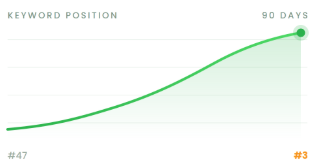
Set realistic timelines. Most sites see early movement in three to six months. Strong gains often take six to twelve months, and competitive topics take longer. Review the data monthly, and adjust the plan when a tactic stalls. Share the numbers with your whole team so everyone sees the progress. Clear data also makes budget talks easier at renewal time. Also compare results against your goals, such as leads or sales, not just rankings. A rise in traffic means little if it never turns into customers.
Building a Long-Term Link-Building Strategy Alongside Content
Pair ongoing outreach with steady publishing. Each new asset gives your team a fresh reason to reach out, and each new link lifts the pages around it. Over time, your site becomes a source that others cite on their own. That reputation is hard for rivals to copy.
One-time link campaigns rarely hold results. Rivals keep earning links, and old links lose value as pages age. A steady monthly rhythm keeps your gains in place and protects your rankings from slow decay. Patience pays off here, because authority compounds like interest. Plan a content calendar and an outreach calendar side by side. Review both each quarter, drop what fails, and double down on what earns links.
Conclusion
The best search engine optimization companies treat link building as a craft, not a numbers game. They pair careful outreach with content worth citing and report every placement. Redefining Web follows this model by tying outreach to original content and clear reporting, which helps clients earn links that last. The result is steady growth that holds up over time.
Frequently Asked Questions About Search Engine Optimization


Know your website’s SEO Score.
Get a customized SEO Audit report & improve your website statistics.